Bathroom Hygiene as an Environmental Practice
Bathrooms concentrate moisture, warmth, and frequent contact. Effective hygiene depends less on intensity and more on how the environment is managed over time.
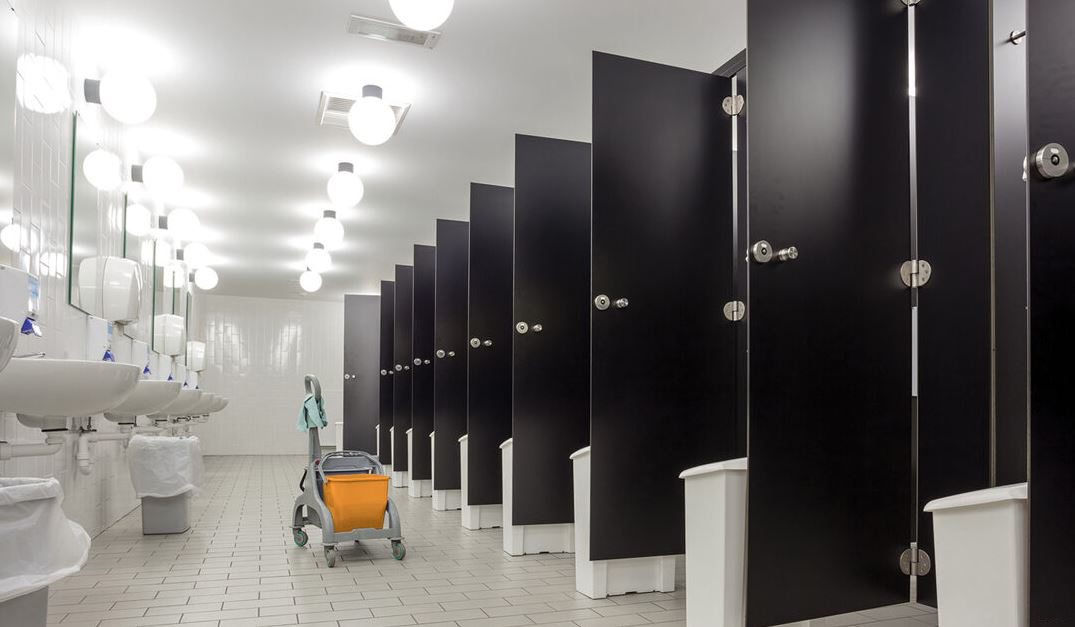
Why Bathrooms Require Specialized Attention
Bathrooms present unique hygiene challenges that differ from other areas of the home. They combine constant moisture, fluctuating temperatures, and repeated skin contact. These conditions create an environment where microorganisms can thrive if left unmanaged. Visual cleanliness alone does not indicate hygienic stability. A bathroom can appear clean while still supporting hidden growth.
The presence of water changes how surfaces behave. Moisture lingers in grout, fabrics, and corners. Even short periods of dampness can have cumulative effects. A hygiene system must account for this reality rather than relying solely on cleaning frequency.
The approach treats bathroom hygiene as an environmental practice. It focuses on controlling conditions rather than chasing symptoms. This perspective leads to calmer routines and more reliable outcomes.
Moisture Management as the Primary Strategy
Moisture control is the foundation of bathroom hygiene. Without addressing humidity, cleaning efforts remain reactive. Showers, baths, and sinks introduce water that must be removed effectively. Drying the environment is as important as cleaning surfaces.
Ventilation plays a central role. Exhaust fans, open windows, and airflow patterns determine how quickly moisture dissipates. Using ventilation consistently after bathing prevents condensation from settling. This reduces the conditions that support mold and odor development.
Small habits amplify this effect. Leaving shower doors open, wiping excess water, and spacing towels allow surfaces to dry fully. These actions require minimal effort but produce lasting benefits.
Surface Selection and Care
Bathroom surfaces vary widely in how they interact with water. Tile, glass, metal, and composite materials each respond differently. Some resist moisture well, while others absorb or trap it. Understanding these differences guides effective care.
Smooth, non porous surfaces are easier to maintain. They shed water quickly and clean efficiently. Porous materials require more attention and benefit from preventive strategies. A system adapts techniques based on material behavior rather than applying uniform methods.
Regular light maintenance preserves surfaces. Removing residue before it hardens prevents buildup. This reduces the need for abrasive cleaning, which can damage finishes over time.
High Contact Areas and Hygiene Priority
Not all bathroom surfaces carry equal hygienic weight. High contact areas such as faucets, handles, and switches influence exposure more than decorative elements. A system prioritizes these areas without neglecting overall cleanliness.
Touch points accumulate oils and microbes through normal use. Regular attention keeps them from becoming reservoirs. This does not require harsh chemicals. Consistent cleaning with appropriate products is sufficient in most cases.
By identifying priority zones, effort is focused where it matters most. This targeted approach improves results while conserving energy and resources.
Textiles and Their Role in Hygiene
Textiles introduce complexity into bathroom hygiene. Towels, mats, and shower curtains absorb moisture and remain damp longer than hard surfaces. If unmanaged, they contribute to odor and microbial growth. A system treats textiles as active components, not accessories.
Allowing textiles to dry fully between uses is essential. Spacing, airflow, and rotation reduce moisture retention. Regular laundering removes buildup before it becomes problematic. This practice supports both hygiene and comfort.
Material choice also matters. Quick drying fabrics simplify maintenance. Selecting textiles that align with the environment reduces effort over time.
Cleaning Products in the Bathroom Context
Bathroom cleaning products often emphasize strength. Acidic or abrasive formulations promise quick results. While effective for specific tasks, they are not always necessary. Overuse can damage surfaces and irritate occupants.
A system selects products based on function. Routine cleaning focuses on removal of residue and moisture. Targeted treatments address specific issues when they arise. This balance minimizes exposure while maintaining effectiveness.
Understanding dwell time and technique often improves outcomes more than product intensity. Allowing cleaners to work briefly before wiping reduces effort and wear. Knowledge replaces force.
Consistency That Feels Manageable
Bathroom hygiene often becomes associated with heavy chores. This perception discourages consistency. A system reframes maintenance as a series of light, regular actions. When tasks are small, they are more likely to be performed.
Consistency stabilizes the environment. Moisture is controlled, residue does not accumulate, and surfaces remain intact. This reduces the need for disruptive deep cleaning sessions. The bathroom feels calm and predictable.
The routines emphasized support daily life. The goal is a bathroom that maintains itself quietly through thoughtful design and habit. When hygiene feels manageable, it becomes sustainable.