Home Hygiene Routines That Fit Real Life
Hygiene routines succeed when they support daily living rather than compete with it. The most effective routines are quiet, flexible, and built into natural rhythms.
Why Routines Matter More Than Motivation
Many people approach home hygiene with bursts of motivation. When energy is high, cleaning feels manageable. When life becomes busy, routines collapse. This pattern creates cycles of buildup followed by exhaustion. Relying on motivation alone is unreliable.
Routines replace motivation with structure. They reduce decision making and distribute effort over time. Instead of asking when to clean, routines answer that question automatically. This removes friction and mental load. Hygiene becomes part of the background rather than a recurring project.
This approach emphasizes routines that adapt to real schedules. They are designed to work even on low energy days. Consistency, not intensity, produces stability.
Anchoring Hygiene to Existing Habits
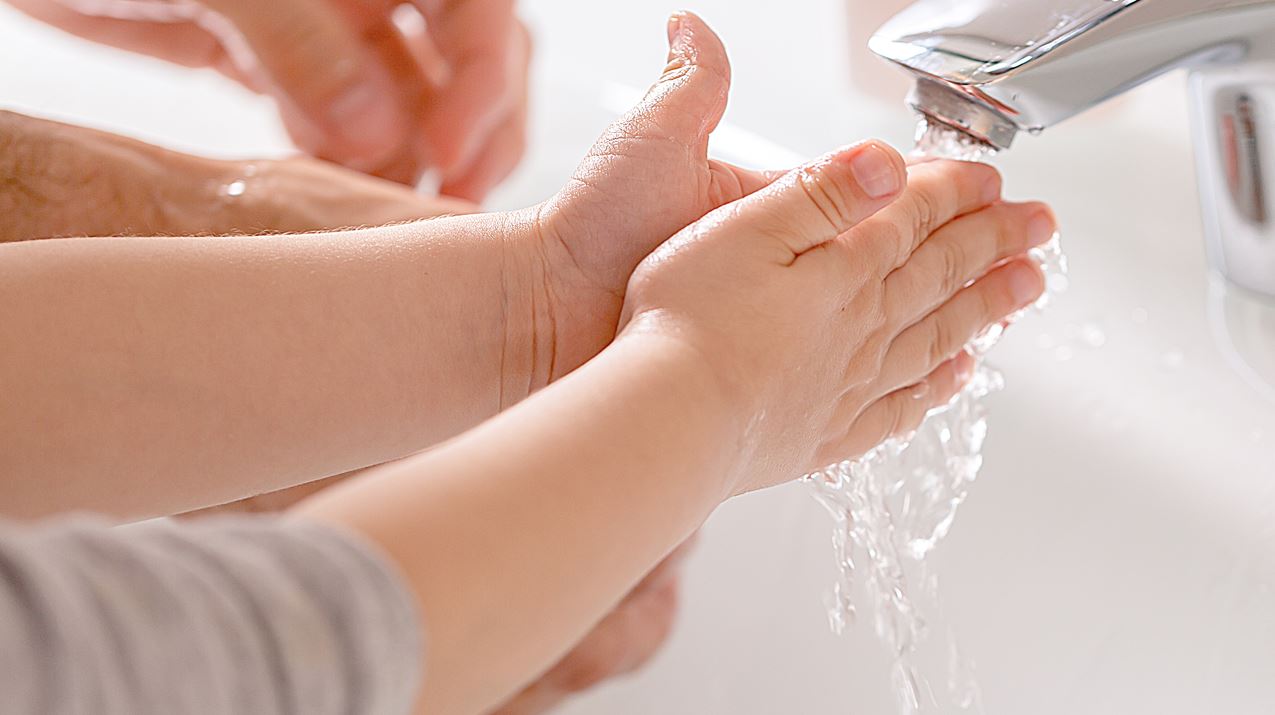
The most sustainable routines attach hygiene actions to habits that already exist. Washing hands, preparing meals, or ending the day all provide natural anchors. When cleaning is tied to these moments, it feels logical rather than forced. This integration improves follow through.
For example, wiping a sink after use requires little extra effort. The habit already exists. The routine simply adds a brief action at the right moment. Over time, this becomes automatic. Small actions accumulate into meaningful results.
Anchored routines also reduce forgetfulness. They rely on environmental cues rather than reminders. The home itself prompts care through design and placement.
Daily Routines That Prevent Buildup
Daily hygiene routines focus on preventing accumulation. They are intentionally light. These actions take minutes rather than hours. Their purpose is stability, not transformation.
Examples include clearing high contact surfaces, managing moisture, and resetting shared spaces. These tasks keep conditions from drifting. They support comfort without drawing attention to themselves. When performed consistently, they reduce the need for deeper intervention.
Daily routines should never feel heavy. If they do, they need adjustment. The goal is effort that fits naturally into the day.
Weekly Routines for Structural Maintenance
Weekly routines address areas that change more slowly. They allow for slightly deeper attention without becoming disruptive. These tasks support the structure of the home rather than immediate appearance.
Vacuuming, laundering textiles, and refreshing key surfaces often fit well into weekly cycles. Spacing these actions prevents overload. They maintain hygiene without exhausting time or energy. A predictable rhythm makes them easier to plan around.
Weekly routines also provide an opportunity for observation. They allow issues to be spotted early. This prevents small problems from becoming large ones.
Monthly and Seasonal Adjustments
Some aspects of hygiene benefit from less frequent attention. Monthly or seasonal routines address hidden or slow developing issues. These actions often involve areas that are not part of daily awareness.
Examples include reviewing storage areas, checking ventilation, or refreshing less used spaces. Because these tasks are infrequent, they should remain simple. A system ensures they are not forgotten without demanding constant focus.
Seasonal changes often influence hygiene needs. Allergy seasons, humidity shifts, and lifestyle changes may require adjustments. Flexible routines adapt without collapsing.
Avoiding Overstructured Schedules
Highly rigid cleaning schedules often fail. They leave no room for variation or rest. When life interrupts, routines feel broken rather than adaptable. This leads to abandonment.
The guidance favors direction rather than strict calendars. Routines define intent and frequency, not exact timing. This allows actions to move within the flow of real life. Hygiene remains supportive rather than restrictive.
A routine that bends survives longer than one that breaks. Adaptability is a strength, not a weakness.
Routines as a Form of Self Care
Hygiene routines are often framed as obligations. In reality, they support comfort, health, and peace of mind. A well maintained environment reduces background stress. It allows attention to focus elsewhere.
When routines are manageable, they feel caring rather than demanding. They create a sense of order without control. This balance supports well being for everyone in the home.
These routines are viewed as a quiet form of self care. They protect time, energy, and health. When designed thoughtfully, they enhance daily life without calling attention to themselves.