Cleaning Systems That Support Real Homes
Effective cleaning is not a collection of isolated tasks. It is a system of decisions, timing, tools, and environmental awareness that work together quietly in the background of daily life.
Why Systems Matter More Than Effort
Many people approach cleaning as a reaction. Something looks dirty, smells off, or feels uncomfortable, and effort is applied in response. While this approach can restore order temporarily, it rarely creates stability. Without a system, the same problems return again and again. This cycle leads to fatigue, frustration, and the feeling that cleaning never truly ends. A system changes that dynamic.
A cleaning system defines when, where, and how attention is applied. It removes guesswork and replaces it with structure. Instead of relying on motivation, it relies on design. When cleaning actions are embedded into the way a home functions, they require less conscious effort. The environment begins to support hygiene rather than resist it.
Systems also allow households to scale their effort. A small apartment and a multi room home can use the same principles, even though the execution differs. By focusing on flow, frequency, and priorities, a system adapts naturally to size and lifestyle. This flexibility is what makes systems sustainable over time.
The Core Elements of a Cleaning System
Every effective cleaning system is built from a few core elements. The first is surface hierarchy. Not all surfaces deserve equal attention. High contact areas influence health and comfort more than rarely touched ones. A system identifies which surfaces matter most and assigns them appropriate frequency.
The second element is sequencing. Cleaning actions interact with each other. Dusting before vacuuming, or wiping surfaces before disinfecting, produces better outcomes with less effort. A system defines order so that work compounds rather than cancels itself. This reduces wasted time and repeated tasks.
The third element is containment. Tools, products, and supplies should live where they are used. When cleaning tools are accessible, small actions become easy. When they are hidden or scattered, even simple tasks feel heavy. Systems respect human behavior by reducing friction.
Frequency as a Design Decision
One of the most misunderstood aspects of cleaning is frequency. Many routines fail because they assign tasks too often or too rarely. Both extremes create problems. Over cleaning leads to burnout and unnecessary wear. Under cleaning allows issues to build until they require intense intervention.
A system approaches frequency as a design choice. It considers how quickly dirt accumulates, how visible it is, and how much impact it has. Some areas benefit from daily light attention. Others perform better with weekly or monthly care. When frequency matches reality, routines feel balanced.
Frequency also changes with seasons and household shifts. A system allows adjustments without collapse. If a home hosts guests, adds a pet, or enters allergy season, frequency can increase temporarily. When conditions normalize, effort can ease again. This responsiveness keeps cleaning aligned with real life.
Tools That Support Systems
Tools play a supporting role in any cleaning system. They should enable consistency rather than demand expertise. Simple, reliable tools often outperform complex ones that require setup or maintenance. A system favors tools that integrate smoothly into routine actions.
Multipurpose tools reduce decision fatigue. When one tool can handle several tasks effectively, routines become simpler. This does not mean sacrificing quality. It means choosing tools based on function rather than marketing claims. Understanding how tools interact with surfaces is more important than brand variety.
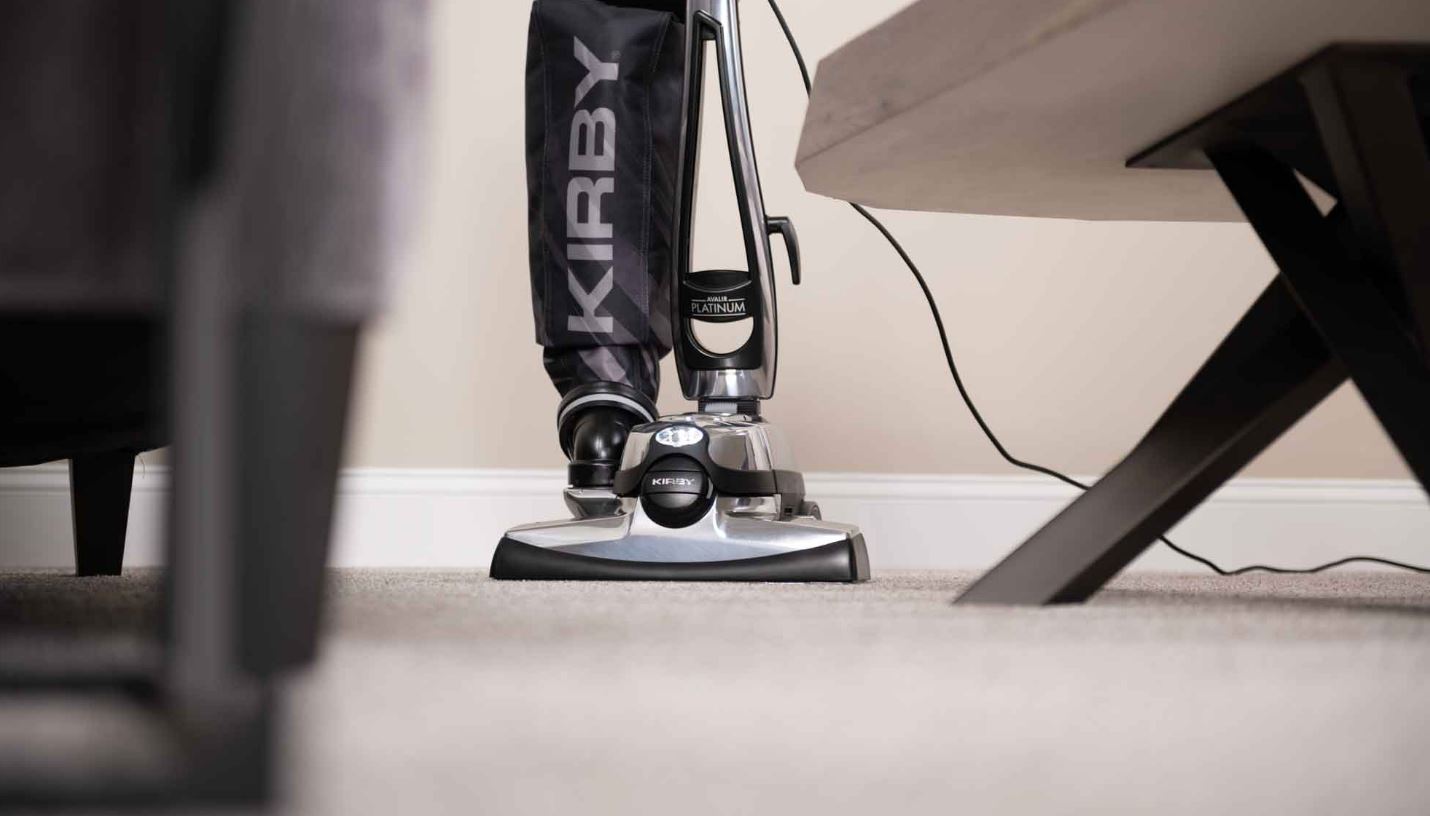
Storage is part of the tool conversation. When tools are stored thoughtfully, they reinforce habits. A cloth stored near a sink encourages a quick wipe. A vacuum stored in an accessible location increases regular use. Systems treat storage as an active component, not an afterthought.
Environmental Factors That Shape Cleaning
Cleaning systems do not exist in isolation from the environment. Airflow, humidity, light, and materials all influence outcomes. Ignoring these factors often results in recurring problems that seem resistant to effort. A system accounts for these influences from the start.
Humidity control is especially important. Excess moisture encourages microbial growth and odors. By managing ventilation and moisture sources, a system reduces the need for aggressive cleaning. This approach shifts effort upstream, where it is more effective.
Materials also matter. Some surfaces show wear quickly, while others hide buildup. A system adapts techniques to materials rather than applying the same approach everywhere. This preserves surfaces and maintains appearance with less effort.
Consistency Over Intensity
Many people associate effective cleaning with intensity. Deep scrubbing sessions and long cleaning days are often seen as necessary. In reality, consistency produces better results. Small, regular actions prevent problems from reaching a critical threshold.
A system is designed to support consistency. Tasks are sized to fit into normal days. This prevents cleaning from becoming an event that disrupts life. When cleaning is integrated smoothly, it stops competing with other priorities.
Consistency also supports mental well being. Knowing that a system is in place reduces background stress. The home feels stable and predictable. This sense of control contributes to comfort as much as visual cleanliness.
Adapting Systems Over Time
No cleaning system remains static forever. Homes evolve, and systems must evolve with them. What worked in one phase of life may become inefficient or unnecessary later. Recognizing this prevents guilt and rigidity.
Periodic review keeps systems aligned with current needs. This does not require constant adjustment. A simple reflection on what feels difficult or redundant often reveals opportunities for improvement. Small changes can restore balance without rebuilding from scratch.
These systems are documented as living structures. They are meant to be adjusted, refined, and personalized. The goal is not adherence to a fixed model. It is long term harmony between environment, routine, and well being.