Making Sense of Cleaning Products Without the Noise
Cleaning products often promise clarity but deliver confusion. Understanding how formulations work allows households to choose tools that serve systems rather than overwhelm them.
Why Product Choice Feels Overwhelming
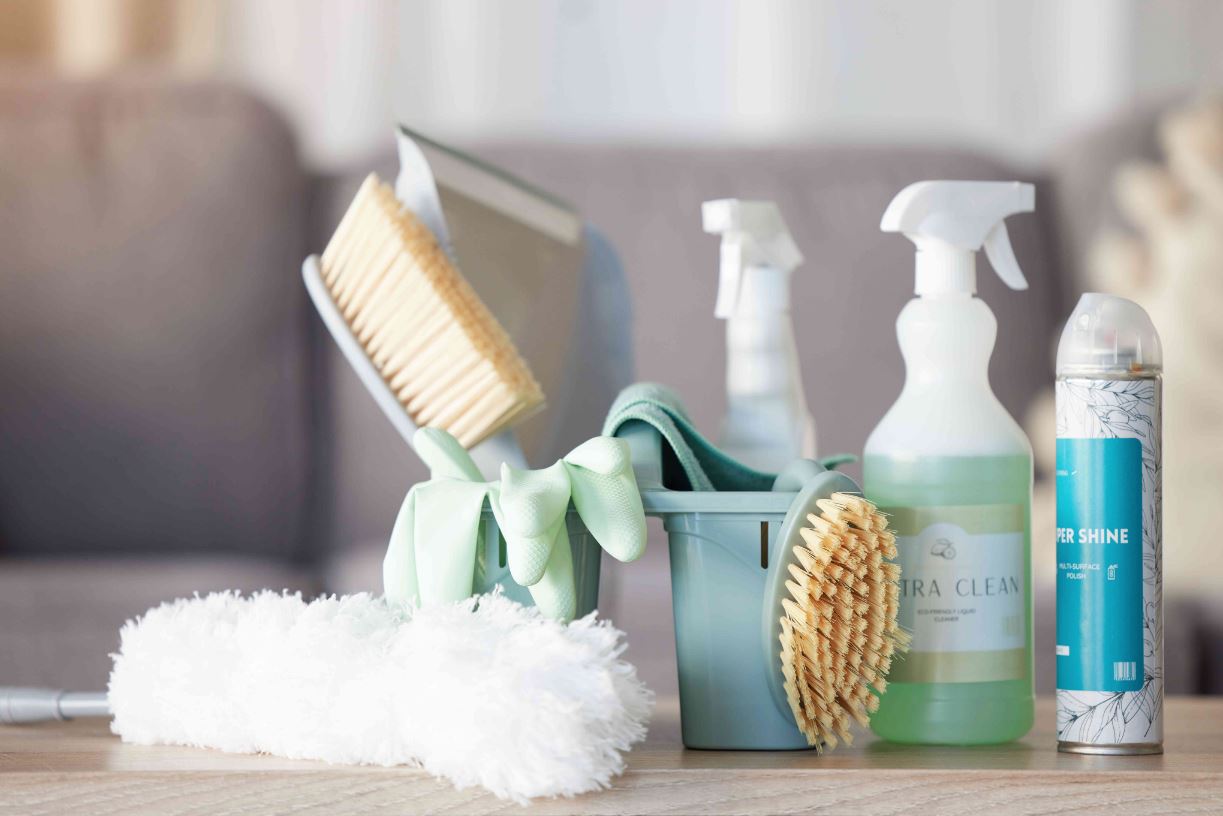
The cleaning aisle presents an illusion of endless choice. Rows of bottles differ in color, scent, and branding, yet many perform similar functions. This abundance creates decision fatigue rather than empowerment. People often respond by buying more products than necessary, hoping coverage will replace understanding. Over time, this leads to clutter and inconsistent routines.
Marketing language amplifies this problem. Words such as powerful, advanced, or professional suggest that effectiveness depends on intensity. In reality, most cleaning outcomes depend on basic chemical principles and proper use. Without context, consumers are left to guess which product truly fits their needs. This material approaches product comparison as an educational exercise rather than a ranking.
Confusion also arises from overlapping categories. Some products clean, some disinfect, and some claim to do both. Understanding the difference is essential for both safety and effectiveness. A clear framework reduces unnecessary exposure and prevents misuse.
Cleaning Versus Disinfecting
One of the most important distinctions in product comparison is between cleaning and disinfecting. Cleaning removes dirt, grease, and organic material from surfaces. Disinfecting reduces microbial presence using chemical agents. The two actions serve different purposes and should not be treated as interchangeable.
In most household situations, thorough cleaning is sufficient. Removing soil physically eliminates the conditions microbes rely on. Disinfection becomes relevant in specific contexts such as illness, raw food handling, or shared high contact surfaces. Using disinfectants unnecessarily increases chemical load without providing meaningful benefit.
Product labels often blur this distinction. Some formulations clean poorly while advertising disinfecting properties. Understanding intended use helps households apply products where they matter most. This clarity supports healthier routines and safer environments.
Active Ingredients and Their Roles
Comparing products requires looking beyond branding to active ingredients. Surfactants lift and suspend dirt. Solvents dissolve grease. Acids and bases alter surface chemistry. Disinfectants disrupt microbial structures. Each ingredient category serves a specific function.
Many products rely on similar active components with minor variations. Differences in concentration and formulation affect performance more than brand identity. Learning to recognize ingredient patterns helps households identify redundancy. This often reveals that fewer products can handle more tasks than expected.
Understanding ingredients also improves safety. Some combinations should never be mixed. Knowing what is already present in a product prevents accidental reactions. Product comparison is as much about risk reduction as performance.
Scent and the Illusion of Cleanliness
Fragrance plays a powerful psychological role in how people perceive cleanliness. A strong scent can suggest effectiveness even when cleaning performance is modest. This association is deeply ingrained through marketing and cultural habits. However, scent does not indicate hygiene.
Many fragrances linger long after cleaning is complete. This can mask underlying issues such as residue or moisture. For sensitive individuals, fragrances can also trigger headaches or respiratory discomfort. The guidance encourages separating sensory preference from functional evaluation.
Unscented or lightly scented products often perform just as well. When scent is desired, it should be a conscious choice rather than a signal of cleanliness. Product comparison becomes clearer when fragrance is treated as optional.
Multipurpose Products and Simplification
Multipurpose products appeal to households seeking simplicity. When effective, they reduce storage needs and streamline routines. However, not all multipurpose claims are equal. Some products compromise performance to cover many uses.
Evaluating multipurpose products requires testing them within a system. Do they integrate smoothly into routines. Do they perform consistently across surfaces. A product that saves time but requires rework may not truly simplify. The comparison focuses on how products support system flow.
Simplification also reduces cognitive load. Fewer choices lead to more consistent use. When routines become automatic, hygiene improves without additional effort. This is often a greater benefit than marginal performance gains.
Cost, Concentration, and Value
Price alone does not determine value. Highly concentrated products may appear expensive but last longer. Ready to use products trade convenience for higher cost per use. Understanding dilution and coverage clarifies true value.
Comparing products on a per use basis reveals surprising differences. Some inexpensive products require frequent reapplication. Others perform effectively at low concentrations. A system oriented approach considers long term use rather than initial purchase price.
Value also includes compatibility with routines. A product that fits existing habits often delivers better outcomes than a technically superior option that disrupts flow. The evaluation considers value in context rather than isolation.
Reading Labels With Purpose
Product labels contain essential information, but they require interpretation. Directions indicate intended use, contact time, and surface compatibility. Ignoring these details often leads to poor results or surface damage. Reading labels carefully is part of effective comparison.
Safety warnings deserve equal attention. Understanding ventilation requirements and protective measures reduces risk. A product that demands precautions may not suit daily use. The guidance emphasizes aligning products with household tolerance and needs.
Label literacy empowers households to move beyond advertising. When people understand what they are using, confidence replaces uncertainty. Product comparison becomes a skill rather than a guessing game.
Products as System Components
In a well designed cleaning system, products play supporting roles. They are chosen to enable routines, not dominate them. A product that performs well but disrupts flow may undermine the system. This perspective reframes how comparison is approached.
Products are treated as interchangeable tools within a larger structure. The focus remains on outcomes rather than loyalty. This flexibility allows systems to adapt as availability or needs change.
By understanding products deeply, households reduce dependence on novelty. They gain the ability to evaluate new options calmly and critically. This stability supports long term hygiene and well being.