Kitchen Hygiene Beyond Surface Cleanliness
The kitchen is not just another room. It is an active environment where food, moisture, heat, and human behavior intersect every day.
Why the Kitchen Demands a Different Approach
Kitchen hygiene is often treated as a matter of wiping counters and washing dishes. While these actions are important, they represent only a small portion of what determines safety and comfort. The kitchen is a dynamic system. Food moves through it, water is introduced and removed, and surfaces experience constant contact. These conditions require a deeper understanding of hygiene than visual cleanliness alone.
Unlike other rooms, the kitchen brings raw materials into the home. Fresh produce, meats, packaging, and containers all arrive with varying levels of contamination. A hygienic kitchen manages this flow intentionally. It separates clean from unclean, raw from ready, and temporary from permanent. Without this structure, even frequent cleaning can fail to prevent issues.
A systems approach allows hygiene to operate quietly. Instead of reacting to messes, the environment guides behavior. This reduces risk while also reducing effort. This perspective views kitchen hygiene as an interaction between design, routine, and awareness.
Zones and Flow Within the Kitchen
Every kitchen contains zones, whether defined consciously or not. There are areas for preparation, cooking, cleaning, storage, and disposal. Problems arise when these zones overlap without intention. A cutting surface used for raw meat should not immediately host ready food. A sink used for washing should not become a storage area.
Establishing zones does not require labels or barriers. It requires consistency. When certain surfaces are reserved for specific tasks, habits form naturally. This reduces cross contamination without adding complexity. The kitchen begins to function as a coordinated space rather than a collection of tasks.
Flow refers to how items move between zones. Raw ingredients enter, are prepared, cooked, served, and then leave as waste. When this flow is disrupted, hygiene suffers. A system supports flow by keeping tools and supplies where they are needed.
Surface Hygiene and Material Awareness
Kitchen surfaces vary widely in material and behavior. Some are porous, others non porous. Some tolerate moisture well, while others degrade over time. Effective hygiene depends on understanding these differences. Applying the same method everywhere often leads to damage or ineffective cleaning.
Countertops, cutting boards, and utensils experience direct food contact. They require thorough cleaning but not constant disinfection. Removing food residue promptly prevents microbial growth more effectively than harsh chemicals. Understanding dwell time and technique improves results without increasing exposure.
Less obvious surfaces also matter. Handles, appliance controls, and cabinet edges receive frequent contact. These areas benefit from regular attention even if they appear clean. A system includes them naturally rather than treating them as exceptions.
Moisture Control in the Kitchen
Moisture is one of the most influential factors in kitchen hygiene. Sinks, dishwashers, and cooking processes introduce water daily. If moisture lingers, it creates conditions where microbes thrive. Effective hygiene addresses moisture at the source.
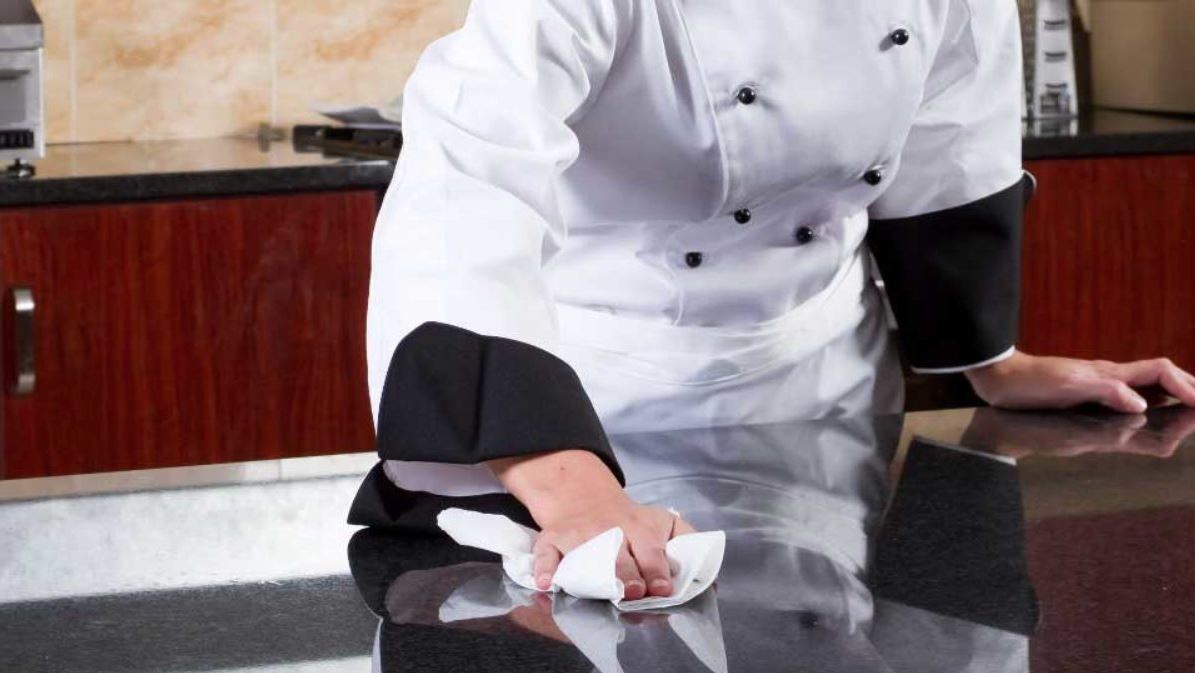
Drying surfaces after cleaning is often overlooked. Leaving surfaces wet may undo the benefits of cleaning. A simple habit of wiping dry significantly reduces risk. This small step often has greater impact than product choice.
Ventilation also plays a role. Cooking releases steam and grease into the air. Proper airflow prevents buildup on surfaces and reduces odors. A system integrates ventilation into routine rather than treating it as optional.
Tools and Utensils as Hygiene Factors
Tools influence hygiene as much as surfaces. Sponges, cloths, and brushes can become reservoirs for contamination if mismanaged. A system defines how tools are used, cleaned, and replaced. This prevents tools from undermining cleaning efforts.
Assigning specific tools to specific tasks reduces spread. A cloth used for counters should not clean floors. Clear distinctions simplify decision making and improve outcomes. Storage supports this separation by keeping tools in logical locations.
Maintenance of tools matters. Allowing them to dry fully between uses reduces microbial growth. Regular replacement ensures performance remains reliable. These practices are part of the system, not extra chores.
Food Storage and Hygiene Stability
Storage practices influence kitchen hygiene over time. Improper storage leads to spills, odors, and hidden buildup. A system organizes storage to minimize these issues. Containers, shelving, and rotation all contribute to stability.
Refrigeration requires attention beyond temperature. Spills and condensation can create unnoticed problems. Regular light maintenance prevents accumulation. This reduces the need for disruptive deep cleaning.
Pantries and dry storage also benefit from structure. Clear organization allows issues to be spotted early. A hygienic kitchen supports awareness without demanding constant vigilance.
Consistency Without Obsession
Kitchen hygiene often becomes associated with anxiety. Fear of contamination can lead to excessive cleaning. This approach is neither sustainable nor necessary. A well designed system replaces fear with confidence.
Consistency matters more than intensity. Small actions performed reliably prevent most issues. This allows the kitchen to remain functional and welcoming. Cleaning supports living rather than dominating it.
This approach emphasizes balance. The goal is a kitchen that feels safe, calm, and usable. When hygiene is embedded into routine, it fades into the background. That is the mark of a system working well.